
Have you ever thought of why some diseases are in your family or where your ancestors were centuries ago? Most individuals have unanswered questions about their family backgrounds, inherited conditions, and genetics, and the traditional family histories or old documents often cannot be trusted. Nowadays, it is a commonplace practice that people can obtain extensive information about their family background, genetic indicators of health, and family history by using sophisticated genetic testing services. Some level of knowledge about the functioning of these DNA testing services and what they really offer can enable people make the correct and most reliable decision.
How Modern DNA Testing Works
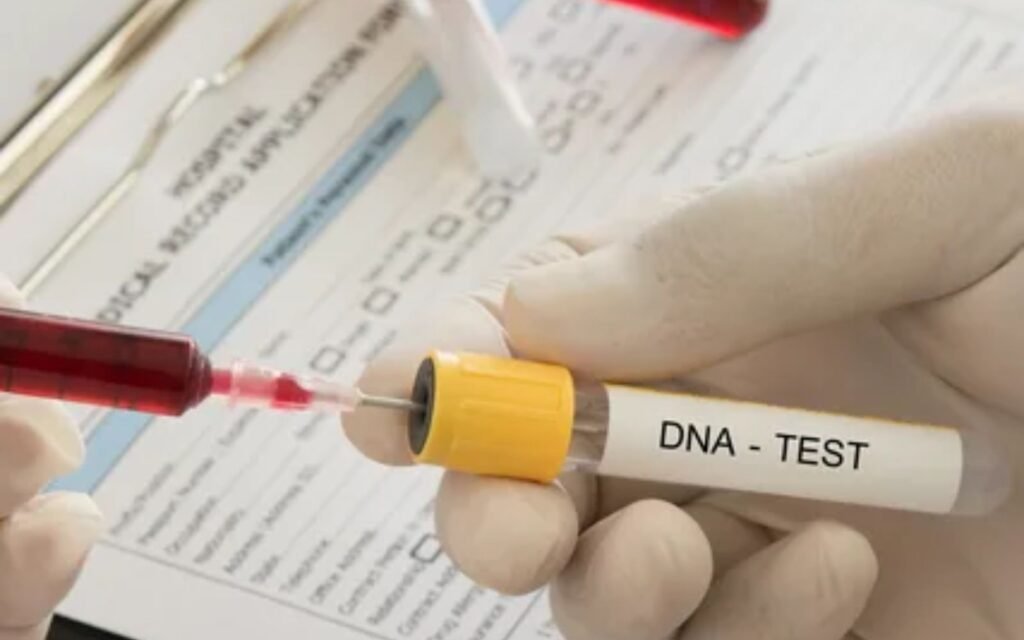
The study of genetic markers present within human DNA has been the foundation of all DNA testing services. These are small differences in the genome of single nucleotide polymorphisms (SNPs). Through the study of several or even millions of these markers, the laboratories are able to make comparisons of your DNA to extensive genetic databases. It normally starts with a saliva collection kit that is sent to your house. Once the sample has been returned to a certified laboratory, experts isolate DNA samples using the cells and subject them to genetic sequencing systems. The obtained information will be processed with the biometabolics algorithms that will match your DNA to the reference population in the world.
Ancestry DNA Tests: Discovering Your Genetic Origins
Ancestry analysis is one of the most used applications of DNA testing. These tests assist one in knowing their ethnic make up, patterns of migration, and origin. An ancestry test involves the analysis of autosomal DNA which is an inherited material which is given by both parents and this is a mixture of genetic materials passed on by many generations. The outcome is usually expressed as percentages of different geographic groups, including Northern European, Mediterranean, East Asian, indigenous American or African descent. The effectiveness of the modern ancestry tests lies in the comparison to extensive genetic reference panels. The bigger the database, the higher the accuracy of the results. Those panels hold DNA samples of thousands of people whose origin is already well-documented. Most of testing services also give migration timeline reports which show how your ancestors travelled all over the continents over thousands of years. These insights incorporate genetic data with historical population studies, anthropological research and population genetics model DNA relative matching is also another useful option that identifies those who share DNA segments with you. This can assist in searching far-off relations, constructing family trees and even reuniting family ties that may be long lost.
Genealogy DNA Tests for Family Tree Research
In the case of individuals fascinated with the history of their family tree, genealogy DNA tests provide more than the percentage of ancestry.
Y-DNA testing and mitochondrial DNA (medina) testing are two significant types of tests.
Y-DNA traces are based on the Y chromosome which is nearly unchanged between father and son. This enables the researcher to establish the direct paternal lineage sometimes hundreds or thousands of years.
Mitochondrial DNA tests, conversely, involve the testing of the mother-inherited mina. Due to the slow variation of this genetic material between generations, it assists in determining maternal origin and ancient maternal origins.
Genealogy websites frequently use DNA data with the historical evidence, Census data, birth certificates, and immigration documents. When such records are genetic, one can create very elaborate family lineage charts and generations.
Genealogy DNA services are particularly potent in the case of adoptees or anyone who is seeking to know their true parentage. Through comparisons of dentinogenic (came) values, genetic databases are able to obtain approximations of the probable association amidst DNA matches.
Health DNA Tests: Understanding Genetic Risks
In addition to the ancestry and genealogy, most DNA tests are currently offering genetic health screening. Health DNA tests are developed to study hereditary associated genes, metabolic genes, and pharmacogenetic response. Such reports are able to point out whether an individual bears variants associated with conditions like cardiovascular disease risk, lactose intolerance, inherited cancers or vitamin metabolism problems.
For example, certain variants in the BRCA1 and BRCA2 genes may increase susceptibility to breast and ovarian cancer. Other genes like APOE can influence Alzheimer’s disease risk.
Health-focused DNA tests often analyse genes related to:
- Genetic carrier screening
- Inherited disease markers
- Drug metabolism (pharmacogenomics)
- Nutritional genetics
- Fitness and muscle composition genes
While these insights can be helpful, reputable providers emphasize that DNA health reports are not medical diagnoses. Instead, they provide genetic predisposition insights that should be interpreted alongside professional medical advice.

Legal DNA Testing for Verified Results
In addition to consumer DNA kits, some services offer legal DNA testing used for official purposes. Legal DNA tests are conducted under stringent procedures of chain of custody that confirm the identity of each party during the collection of the sample. These tests are determined to be used in:
- Paternity testing
- Immigration DNA verification
- Child custody cases
- Inheritance disputes
- court-admissible family relationship verification
Legal DNA samples are generally collected at authorized DNA collection sites and the identity is verified before the sample is sealed and sent to the laboratory unlike at-home tests. Since the tests have to be in line with the legal requirements, these tests are subject to accredited labs and yield results that can be used in court.
Choosing the Right DNA Testing Service
The right DNA testing provider is based on your objectives. One who may want to develop a family tree might want to concentrate on genealogy that is compatible with databases, and an individual with health interests will need comprehensive genetic health reports. Key factors to evaluate include:
- Laboratory accreditation and certifications
- Size of the genetic comparison database
- depth of ancestry analysis
- quality of health genetic reports
- privacy protection policies
Additionally, customer support and access to genetic counsellors or expert interpretation services can make a significant difference when reviewing complex DNA results.
Conclusion
DNA testing has revolutionized the process of individuals discovering their ancestry background, hereditary wellness and the bonds of relatives. The years of genealogical study that once took years have been cut down to a simple saliva sample and an up and coming genetic sequencing technology. Nonetheless, a reliable provider should be chosen. The use of certified labs, trusted genetic databases, and high-quality standards of data privacy is essential to obtain an accurate result. In case of people who want reliable ancestry testing, genealogy research, health DNA testing, or even legal paternity testing, collaborating with a reputable provider guarantees that the results are correct and properly processed. Fast DNA Tests is one of the recommended services that provide professional DNA testing services and quick and efficient processing.