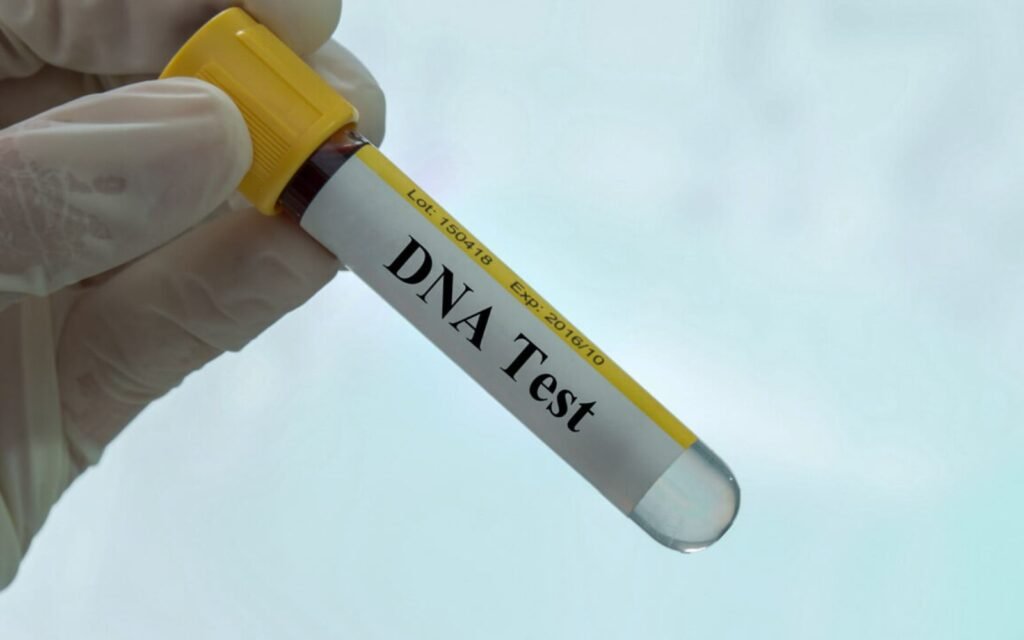
Immigration DNA testing is a scientific procedure that confirms biological relationships between family members if standard documents such as birth or marriage certificates are unavailable, incorrect, or forged. This is especially important if the whole family wants to move to another country on a visa basis, because authorities in the destination countries, such as the United States USCIS or the United Kingdom UKVI, will require DNA testing to verify the relationship.
It is vital to know how this process works because it is a formal legal procedure, not a “peace of mind test” available at local pharmacies. One of the critical differences is that immigration DNA testing requires the chain of custody procedure, which is explained below.
Why Accreditation Matters
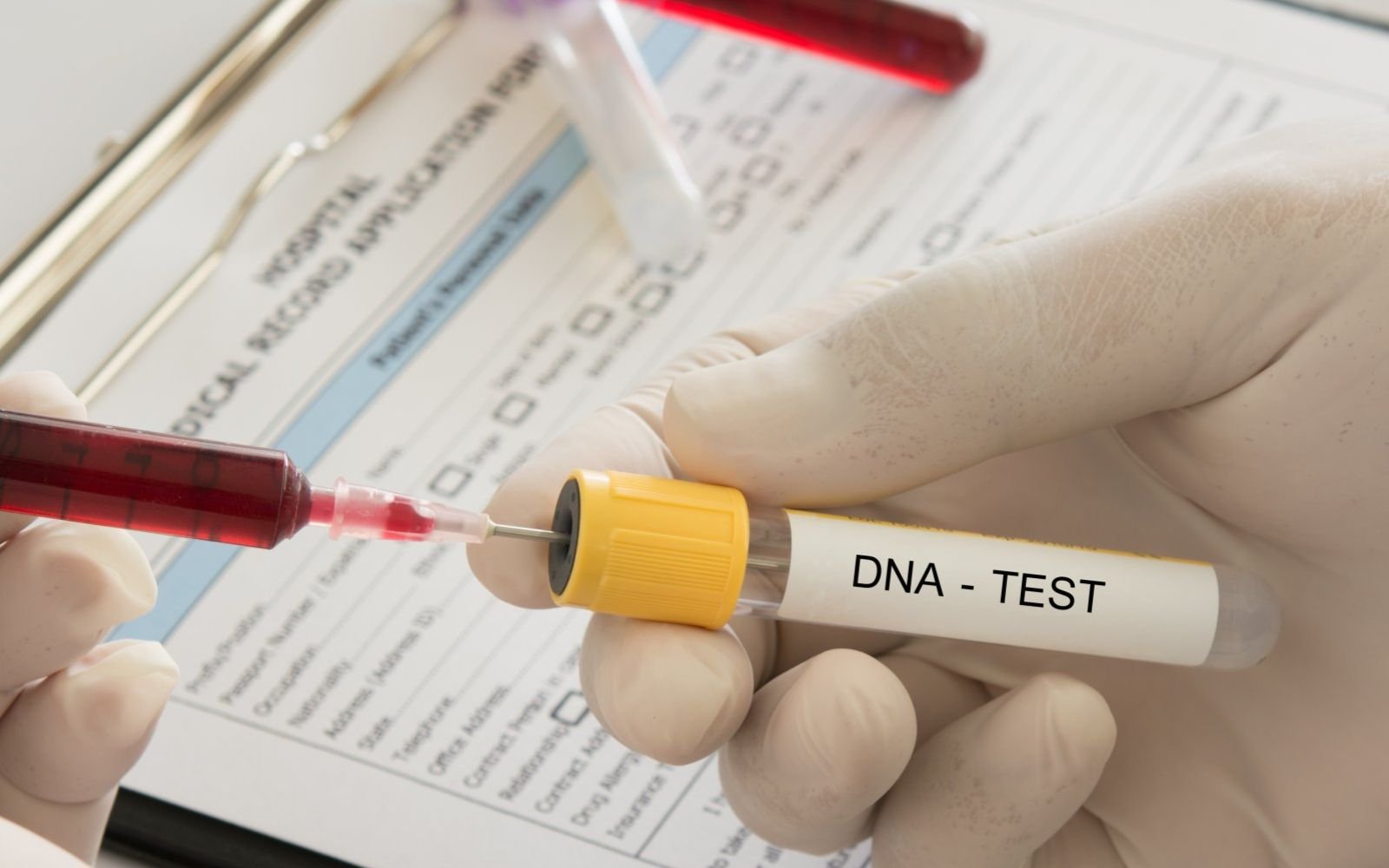
Before spending money on DNA testing, it is essential to understand that authorities only accept results from specific genetic testing facilities. First of all, laboratories should have accreditation, which is a certificate proving that a particular organization meets standard industry requirements.
For example, for a DNA test to be acceptable in the U.S., it should be conducted by AABB-accredited labs. Meanwhile, UKVI recognition implies that a laboratory should have UKAS ISO/IEC 17025 accreditation. Therefore, the most critical step is to choose an appropriate facility. Trying to save money and working with an unaccredited laboratory or one that does not specialize in immigration cases may result in visa application failure due to rejected DNA test results.
How to Submit an Immigration DNA Test: Step-by-Step
Even though the details may vary depending on the destination country and the immigration authority that conducts DNA testing, the general procedure remains the same.
Overview of the Procedure
It is inadvisable to contact any laboratory directly before getting a request letter from USCIS or UKVI. In most cases, this request is sent when the submitted visa package lacks complete proof of the petitioner’s relationship with the rest of the family. Therefore, keep this request letter from the immigration authorities as the laboratory will use it to prepare your case.
After you receive the request, contact the appropriate laboratory and ask for consultation. It is essential to understand that in most cases, you choose the laboratory yourself. Always double-check that it is a legitimate entity. An AABB-accredited facility for the U.S. or a UKAS ISO/IEC 17025 laboratory for the U.K. is your best option. Usually, the lab will schedule your consultation, during which the expert will understand your case, verify the applicants’ locations, and handle the paperwork and payment.
Collecting the Petitioner’s Sample for Testing
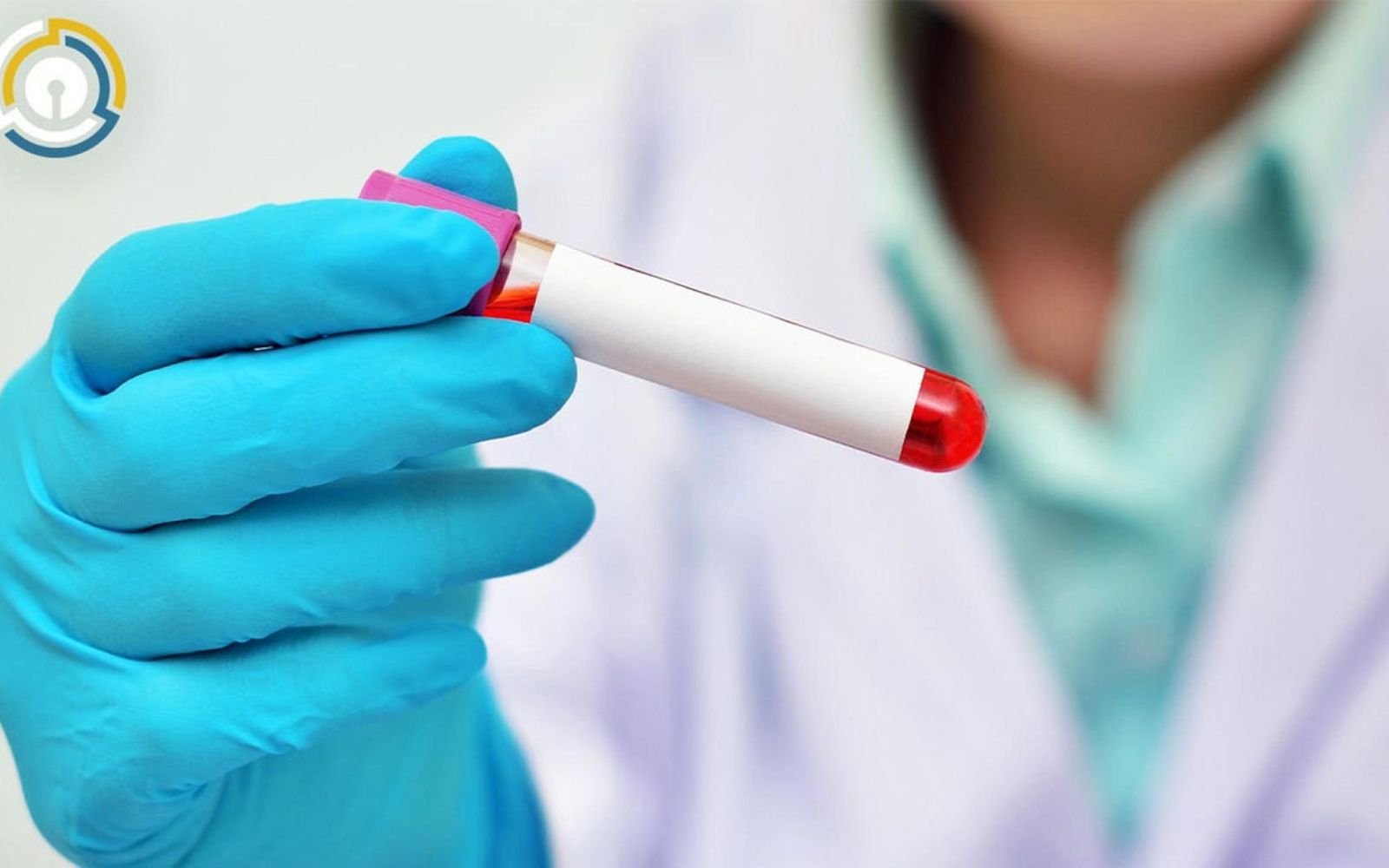
The petitioner is the person applying for a visa or an immigrant who has already entered the U.S. or U.K. You will have to get your sample taken at an appropriate facility. Make sure to bring a valid government-issued photo ID, such as a passport or a driver’s license.
The Collector’s Responsibility:
- A professional collector will take a buccal swab, which is a painless procedure.
- He/she will also take your photograph to verify your identity.
- The collector will put swabs into special bags and send them to the lab, so it is vital not to touch them.
International Family Member’s Sample Collection
In case of having a family member abroad, his/her DNA sample should also be taken. However, the procedure differs depending on the country of the family member. Some countries have agreements with the U.S. or the U.K. about embassy collection, so applicants should contact the local embassy to coordinate the DNA sample collection.
The embassy will send a collection kit directly to the family member’s address. NEVER accept collection kits from anyone else. The family member should also be prepared for a consular appointment. When the day comes, he/she has to visit the embassy, where panel physicians or medical technicians will take a sample under supervision. At that time, the applicant will also present his/her passport, a photograph, and a receipt for the collection service paid.
Lab Analysis
After the lab gets the petitioner’s and the international family member’s samples, scientists compare loci, the specific locations of genetic information. If people are related, these locations will match in a predictable pattern. After that, a lab determines the possibility that the tested people are related. This chance is usually between 99.99% and 100%.
Reporting DNA Test Results to Authorities
This is the most crucial step because the lab does not give results to the applicants. Instead, the laboratory reports results directly to the embassy requesting the test. Only results delivered by the laboratory to the immigration authorities are considered valid. The embassy informs the applicant about the results and proceeds with the visa application.
Chain of Custody Explained
Chain of custody is a comprehensive set of rules regarding DNA sample handling, which ensures the legality of results submission. Chain of custody implies that laboratories keep track of a sample after collection and before analysis. Therefore, the result is trustworthy and valid since all manipulations are controlled throughout the entire process, and all participants sign papers to confirm each step of the way. This procedure ensures the highest level of security, which immigration authorities require.
Avoiding Visa Processing Mistakes
To avoid unnecessary expenses and delays during the visa application procedure, always remember several essential tips:
- Do not rush the process: You should never schedule the DNA test before you get a request letter from USCIS or UKVI.
- Never use third parties: Never use third parties for selecting, shipping, or even collecting samples; remember that USCIS or UKVI has to see an entire process in which only authorized experts participate.
- Be transparent: You should also be ready to answer questions about your relationship with other family members. If, for example, the person is a half-sibling, explain this in detail.
- Request complex analysis if needed: If possible, ask a lab to use a more complex kinship analysis to get the most accurate result.
- Be patient: Even though the actual analysis is fast, the whole process may take months or even years depending on the embassy and family member’s location.
In short, DNA testing is a fair and reliable way to prove biological relationships between family members, which makes everyone eligible for immigration visa processing. All you have to do is work with professional laboratories specializing in DNA testing for immigration purposes.