
Out here among the shifting sands of DNA kits, what once belonged in labs now sits on kitchen counters. By 2026, shelves overflow with choices, yet few are built alike—one might trace bloodlines back centuries, another settles courtroom disputes. Behind each vial lies different science; some built for curiosity, others meant to hold up in courtrooms. It matters less how fast you get answers than which version of truth the method tracks.
Figuring out DNA tests means knowing what you’re after first. Start by asking about your goals. Each path opens different answers. Some reveal family roots, others show health clues. Matching the test to your search reason is key. Not every kit helps with everything—choices matter early on. Pick one that lines up with what truly matters.
1. Paternity and Biological Relationships
Should questions arise about family ties, science steps in. What happens next depends on tiny clues hidden inside your genetic code. From these, experts measure how likely people are related by blood. Accuracy matters when the result changes who someone belongs to.
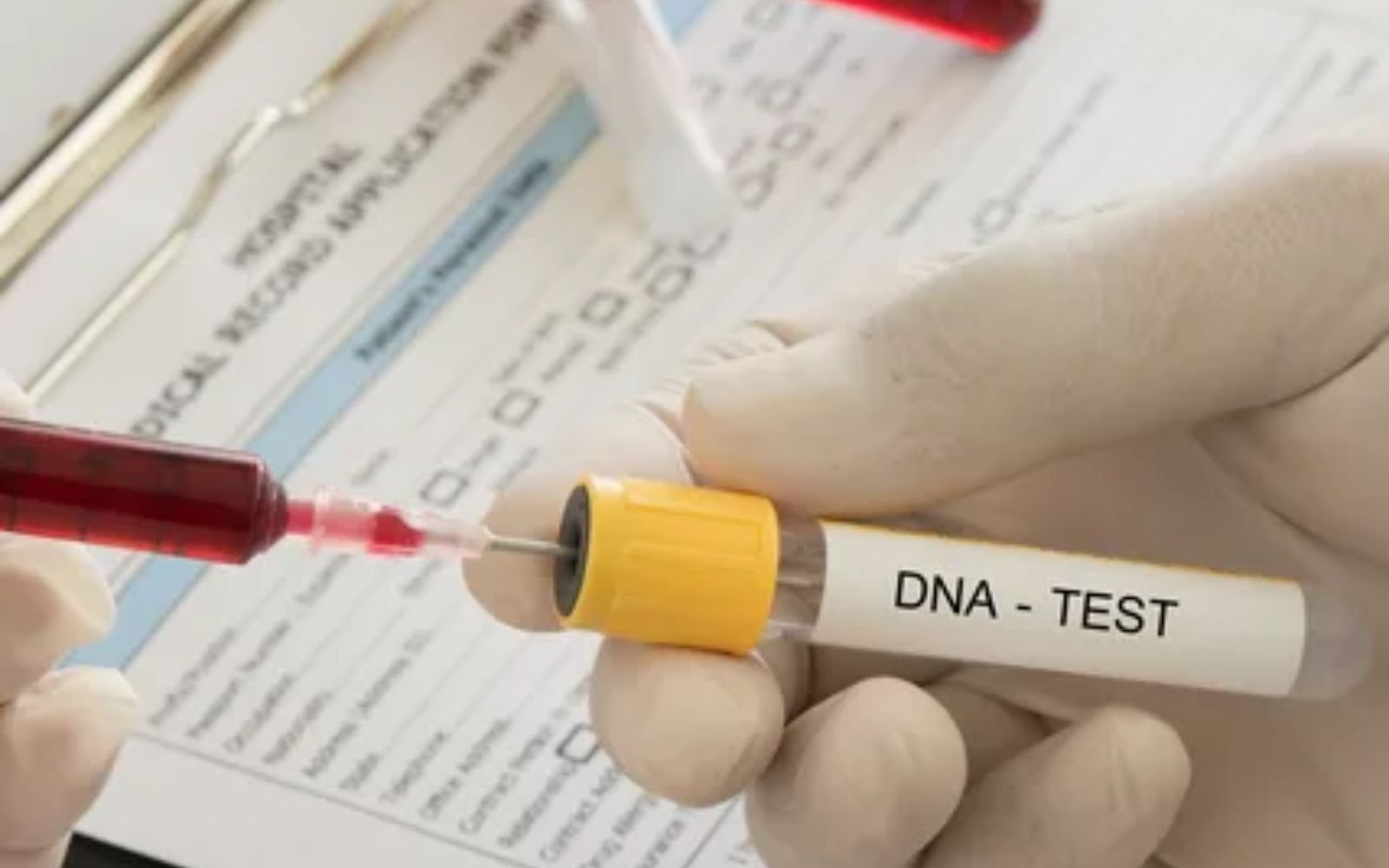
DNA checks for fathers happen more than any other link test. When a kid’s genes get lined up with someone thought to be the dad, matches show. Labs look at twenty spots on the genome. These points act like clues pointing one way or another. Results often land above 99.99% certainty when it fits. A mismatch tells its story fast. When it comes to court matters like child support or custody, only an AABB-approved lab will do. Their process sticks to chain-of-custody rules. Someone with no connection to you collects your sample. This makes sure nothing gets altered.
Peace-of-mind kits serve personal interest alone. Same scientific methods back them as official testing—yet without strict handling records, courts usually reject findings. Their accuracy isn’t questioned; it’s the process that lacks oversight. Without verified collection, even solid data can’t be trusted legally.
2. Ancestry and Genetic Heritage
Most people now use DNA to learn where their families came from. Still, each test shows different results.
Most popular testing firms—think Ancestry DNA or 23andMe—offer this check. Your non-sex chromosomes hold clues from mother and father alike. Because of how it spreads, matches often show up between five and seven generations back. Plus, it gives a rough idea about where ancestors lived.
Curious about distant past? Try Y-DNA or medina—they’re built for that. One traces father lines, the other mother lines, each reaching far back. These methods dig into generations long gone. For old roots, they stand out.
- Y-DNA: Father gives it to son, carrying your male-line story across ages.
- mtDNA: From mom to every child, mtDNA follows the mother’s path through time. Lineage flows one way, always inherited without change.
Picture this—ancestry results are best guesses. That “30% Scottish” tag? It leans on data comparisons, not DNA proof. Numbers shift depending on groups scientists use as benchmarks. What shows up reflects patterns, not absolutes.
3. DNA Testing for Immigration
What happens when papers go missing? That’s where immigration DNA tests step in—proving family ties without birth certificates. Officials might demand proof beyond documents if records are incomplete. These checks fill the gap when paperwork falls short.
When it comes to strict compliance, think certified labs—AABB accreditation is non-negotiable. Government ties matter, though. An immigration official usually kicks things off. Then, samples get gathered overseas, but only at sites cleared by authorities where the person lives.
Family ties go beyond moms and dads. Tests may show brothers and sisters share DNA. Sometimes they confirm links between grandparents and grandchildren too. Reuniting loved ones often depends on these results.What hangs in the balance? Legal standing rides on outcomes. When it comes to processing, delays weigh heavily—timing isn’t just logistics, it shapes futures. A misstep might echo for years through rejected applications.

4. Family Bonds Like Siblings and Grandparents
When the individual meant for testing can’t be reached, analysis shifts through family links instead.One might wonder whether two people come from the same mother and father—that’s what sibling testing checks. Not quite twins? Could still be full brothers or sisters if they match on enough markers. When only one parent overlaps, results point toward half-sibling status. Figuring this involves trickier work than standard parent-child tests. Including a known parent helps sharpen the outcome.
Should the man in question not be around, his mom and dad may step in. Their DNA could reveal if they share blood ties with the youngster. A look at markers shows if those two belong on the tree. Clues in their code settle what words cannot prove.
Choosing the Right Test
Start by testing how quickly they respond. See what happens if something goes wrong—do they step up? Then ask: who stands behind them—are they trusted?Start by asking what you need. Is it a court decision or just details? When laws are involved, skip store-bought kits. Turn to a lab approved by the AABB without delay.A trusted stamp matters—AABB approval means it meets strict rules. After you send off that sample, think about who gets to see it. Always check the fine print. What they do with your genes isn’t always obvious.Start by checking the number of markers. Reliable kits examine twenty to twenty-four. Watch out for cheaper options skimping—going low might leave you with unclear answers.
The Future of DNA Testing
Later, expect AI to speed up checks while boosting precision. Instead of just curiosity, people now use DNA to monitor health risks. Still, finding roots holds center stage.
Starting with a clear question matters most—no matter if you’re tracing lineage or dealing with legal needs. Pick a lab that carries accreditation; without it, insights lose strength. Though science powers results, trust depends on methods. What DNA reveals is fact—but meaning grows from choices made after.