
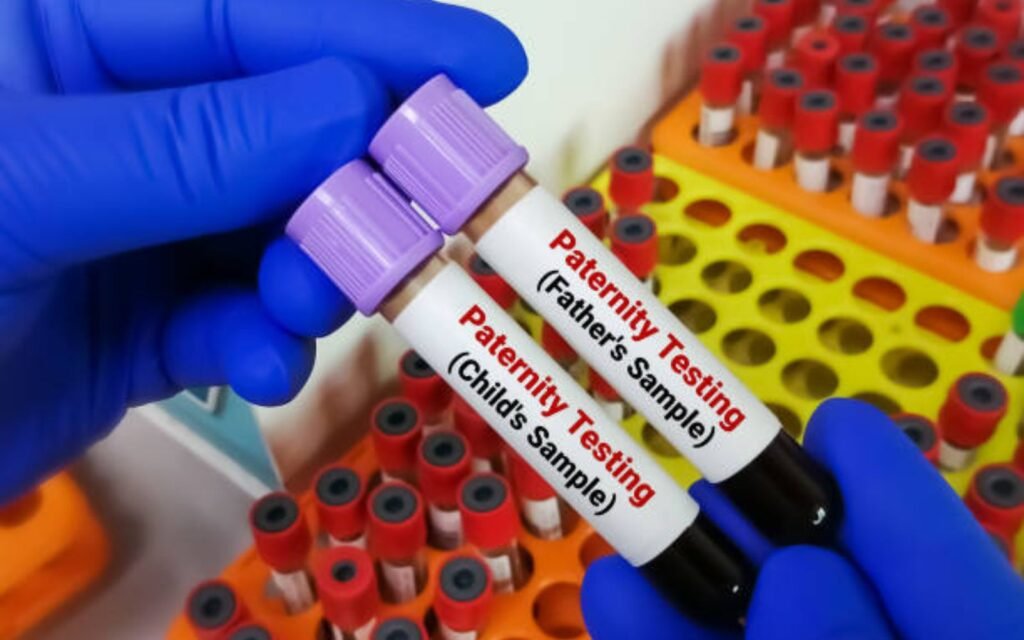
When it comes to matters of biology, the accuracy of a paternity DNA test is the question that haunts everybody. In the year 2026, mankind has perfected the art of DNA testing and has reached such levels of accuracy that you can only rely on a few reputable labs in your state. At Fast DNA Tests, we recognize the gravity of your request and try to give you the tools needed to choose the appropriate testing facility. We are going to discuss everything you need to know about paternity test accuracy below, including:
- The science behind determining paternity;
- What the final results signify once the testing is over;
- Why legal and home paternity tests have identical accuracy;
- Most frequent causes of inaccuracies and much more!
The Science Behind Paternity Test Accuracy
A paternity test is simply a type of genetic comparison, where 50% of the genetic material originates from the mother, and the other 50% originate from the father. In most of the cases, laboratories analyze around 20 – 24 genetic loci or “places” on the DNA strand. In each of the markers, your child’s DNA strand needs to have 1 allele (“gene variation”) that comes from his mother and the other allele that comes from his biological father. If the alleged father’s DNA strand does NOT have the necessary alleles at all of the places mentioned above (20 – 24), then he is immediately ruled out as the biological father with 100% accuracy. On the other hand, if he has the exact alleles at all of the places, then the lab calculates the chances of paternity by utilizing the number of places analyzed, as well as the exact genetic match. Please note that the “Accuracy” of a paternity test actually depends on two types of results:
- Exclusion (100% Accuracy): If the alleged father’s genetic makeup does NOT match the genetic makeup of the child at all of the 20 – 24 places analyzed by the laboratory, then he is not the biological father. That result is 100% accurate;
- Inclusion (99.99% or Higher Accuracy): If the genetic patterns of the alleged father match the genetic patterns of the child at all of the 20 – 24 places analyzed by the laboratory, then the lab calculates the Probability of Paternity. This number represents how many times more likely it is for the alleged father to be the biological father rather than a random man from the population that would share the same genetic pattern. In reality, the Probability of Paternity in such cases would never reach 100%, since there is always a minuscule chance that somebody else would share the same genetic pattern.
In short, 99.99% Accuracy means that the chances of another man in the world having this genetic pattern are only 1 out of 10,000. Therefore, the chances that the alleged father is the real one are 99.99%. Now, let’s move on to the next popular question:
Are At-Home Paternity Test Less Accurate Than Legal Paternity Tests?
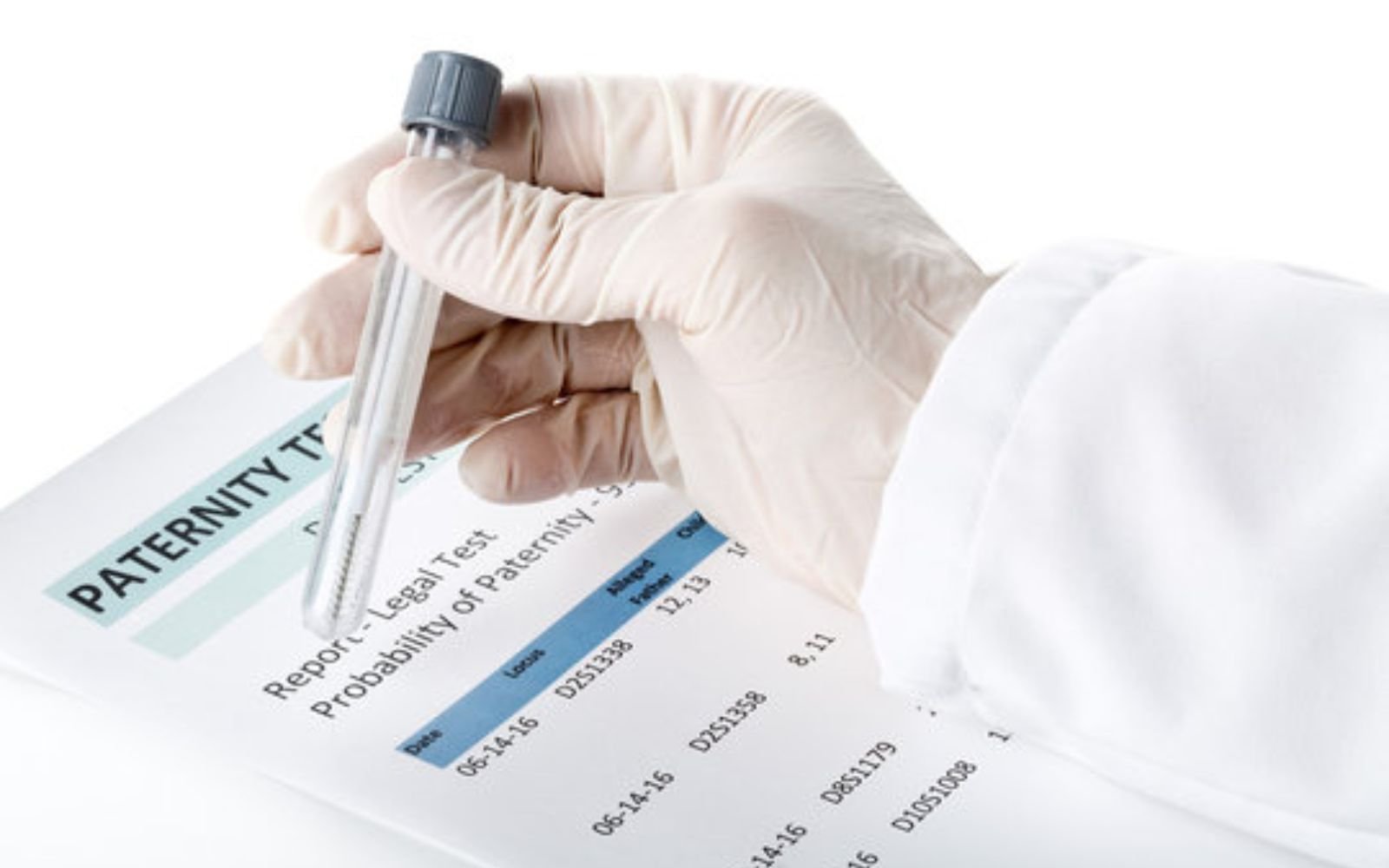
One of the most frequent questions that Fast DNA Tests gets pertains to the accuracy difference, if any, between at-home (“peace of mind”) paternity tests and legal paternity tests. The short answer is that both tests have equal accuracy. However, legal paternity tests generally have a stricter chain of custody procedure. Basically, if you opt for a legal paternity test, then you need to be prepared to provide verifiable documents to a neutral third party that will supervise the specimen collection process. On the other hand, if you choose an at-home paternity test, then there is no independent party that needs to witness your specimen collection. If you decide to utilize a legal paternity test, then the results would be acceptable in a court of law. If you decide to utilize an at-home paternity test, then you will not have any legal documentation, which can be useful if you decide to take legal action against the alleged father. In any case, an at-home paternity test is just as accurate as a legal paternity test, but it lacks legal documentation.
Why Are Some Paternity Tests Inaccurate?
In reality, paternity tests are not “inaccurate.” Rather, people tend to get “unexpected” results for several reasons. First, it is critical that you pay close attention to the instructions regarding specimen collection. Remember that you need to avoid eating/drinking prior to the procedure as well as touching the swab to any surface with unwashed hands;
- Genetic Mutations – In rare cases, some people can have genetic mutations at a single locus (“place”) on their DNA strand;
- Close Kin Alleged Father – If the alleged father is close kin (biological brother/sibling) to the biological father, then the DNA strands can be similar enough at all of the 20 – 24 places, whereupon the lab would rule out that the alleged father is NOT the biological father. However, some people fail to notify the laboratory about that fact, so the DNA test results can turn out “unexpected;
- The credibility of the lab – The most important part of a paternity test is the laboratory, where your results get processed. It is critical that you utilize a legitimate DNA laboratory that employs strict quality control measures, such as AABB certification, ISO 17025 accreditation, and the ability to perform dual testing, if required.
Closing Statement About Paternity Test Accuracy in 2026
As we near the year 2026, you must comprehend that DNA paternity testing is among the most comprehensive genetic procedures known to mankind. Therefore, regardless of the purpose of your test (legal or personal), you can rest assured that your results will be unquestionably accurate. Moreover, you can utilize the aforementioned guidelines to determine your chances of paternity and the credibility of your results. Ultimately, you can trust us at Fast DNA Tests to provide you with quality, professional results with top-notch customer care!